Flexible solar panels offer unique advantages for outdoor enthusiasts and eco-conscious users. They are lightweight and portable, making them ideal for camping or RV trips. However, many users face a frustrating situation: Why is my flexible solar panel not charging the battery? This question is common among those relying on solar power for energy needs.
The reasons for underperformance can be numerous. Sometimes, it's the angle or position of the panel. Other times, dirt or debris may block sunlight. Additionally, a faulty connection could disrupt the flow of energy. Environmental factors, like shading from nearby objects, also play a crucial role. It's vital to understand these components to maximize efficiency.
Addressing these issues requires a keen eye. Users may need to reflect on their setup and regularly inspect equipment. Inadequate knowledge can lead to missed opportunities for effective energy capture. Exploring the potential pitfalls is essential for achieving reliable solar charging.
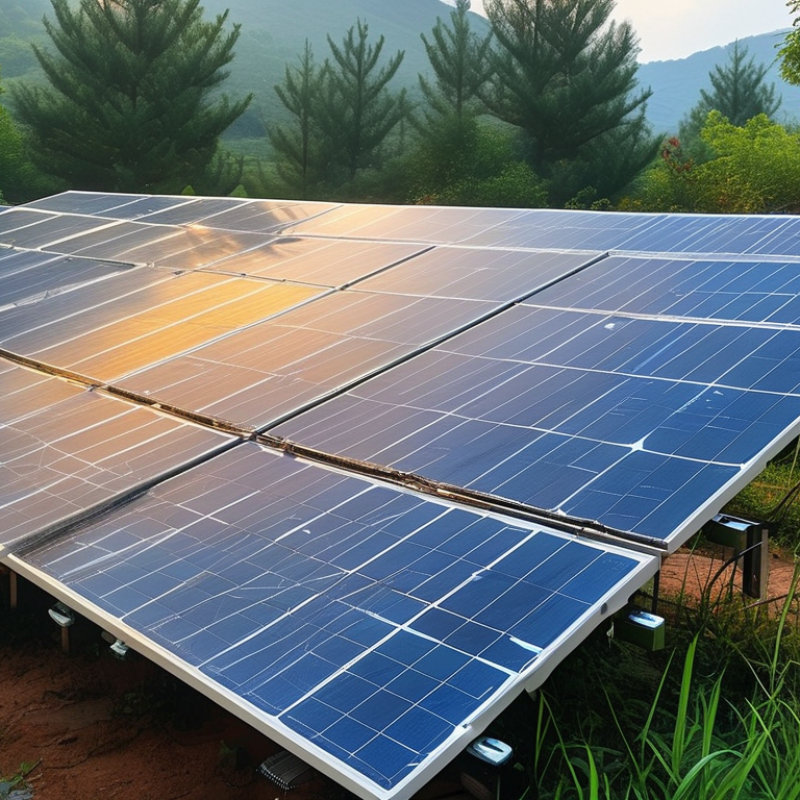
Improper installation is a significant factor affecting the charging efficiency of flexible solar panels. One common mistake is misaligning the panels with the sun's path. Panels that face the wrong direction receive less sunlight, leading to inadequate energy capture. It may seem trivial, but adjusting the angle can alter performance dramatically.
Another frequent error is neglecting surface cleanliness during installation. Dirt, dust, and debris can create barriers that block sunlight. Even a thin layer of grime can significantly affect solar power generation. Regular cleaning is essential for maintaining optimal efficiency.
Wiring issues also play a crucial role. Loose connections can interrupt the flow of electricity. If wires are frayed or damaged, they may cause the panel not to charge. Occasionally, users overlook checking the health of the wiring. This simple oversight can lead to frustrating results, requiring significant time and effort to resolve. It's essential to ensure that everything is securely connected and in good condition.
Weather conditions play a crucial role in the charging efficiency of flexible solar panels. On cloudy days, the amount of sunlight is reduced. This directly impacts the panels' ability to generate power. Even light rain can diminish performance. The cells may not receive enough sunlight to charge effectively. It's important to note that while solar panels can still function in these conditions, the energy output will be significantly lower.
Temperature also affects solar panel efficiency. High temperatures can lead to overheating, which can cause a decline in performance. Conversely, extremely cold weather can slow the chemical reactions needed for energy production. Both conditions highlight the importance of monitoring the environment around solar panels. Awareness of changing weather can mitigate issues related to charging.
In addition, dirt, dust, and snow accumulation can also obstruct sunlight. Even a slight buildup can reduce the panels' effectiveness. Regular cleaning and maintenance are necessary to ensure optimal performance. People often overlook this aspect, leading to underperformance. This reflection on maintenance is essential for maximizing energy capture.
Flexible solar panels offer unique advantages. However, they have distinct limitations that can hinder performance. Understanding these constraints is crucial for maximizing their effectiveness.
One common issue is their lower efficiency compared to traditional panels. Research shows that flexible solar panels usually convert only 10-20% of sunlight into energy, while rigid panels often achieve 15-22%. This difference means that the area required for flexible panels is larger to produce the same amount of energy. Additionally, their performance can degrade significantly in high temperatures. For every degree Celsius increase, output can drop by 0.5%. This makes them less reliable in hot climates.
Durability is another concern. While lightweight and portable, flexible solar panels might not withstand harsh conditions as well as their rigid counterparts. High wind speeds and heavy snow can take a toll on their structure. Furthermore, frequent bending and folding can lead to micro-cracks, reducing energy capture. Regular maintenance is essential to monitor their condition and ensure optimal performance. Users should be prepared for these potential drawbacks when considering flexible solar panels for their energy needs.
Battery connection issues can greatly hinder the efficiency of flexible solar panels. Even with optimal sunlight, a poorly connected battery can lead to significant energy loss. According to industry reports, over 30% of solar panel failures are attributed to faulty connections. This highlights the importance of ensuring a secure and stable connection between the solar panel and the battery.
Common indicators of connection problems include intermittent charging and fluctuating output. These can often be mistaken for panel malfunctions. It’s essential to regularly check all terminals for corrosion and dirt. Clean connections contribute significantly to better energy transfer. Professional installations often suggest using anti-corrosion grease on terminals to enhance longevity and reliability.
Slightly misaligned connections can also cause issues. If the connectors are not firmly in place, bolts and screws may loosen over time. This can lead to increased resistance, reducing the efficiency of the system. Conduct regular maintenance checks, looking for signs of wear or heat damage. Ensuring proper alignment and securing connections can drastically improve charging effectiveness.
When solar panels fail to charge as expected, signs of damage or wear play a significant role. Inspect the surface of your flexible solar panel for scratches or cracks. These imperfections can inhibit energy collection. A small crack may seem insignificant, but it can lead to reduced performance. Even tiny wear points can let moisture in, causing further harm.
Look closely at the connections. Loose or corroded wiring affects the energy flow. The connectors should be clean and firmly attached. If they show signs of rust or oxidation, consider replacing them. Such degradation is often overlooked but crucial for optimal function.
Physical distortion of the panel's shape is another red flag. Bending or tearing can create weak spots that compromise efficiency. Check for bowing or warping, especially after exposure to harsh conditions. The more you inspect, the better you can identify potential problems. Regular maintenance, although tedious, pays off in ensuring longevity and reliability.
: A frequent mistake is misaligning the panels with the sun's path. This can significantly reduce energy capture.
Surface cleanliness is vital. Dirt and debris can block sunlight and reduce solar power generation efficiency.
Loose connections and frayed wires may interrupt electricity flow. These problems often require careful inspection.
Inspect for scratches or cracks on the surface. Even minor damage can lead to reduced energy collection.
Ensure connectors are clean and securely attached. Loose or corroded wires can negatively impact energy flow.
Regularly checking panels helps identify issues early. Maintenance may be tedious but ensures optimal performance over time.
Warping or bending weakens the panel's structure. This can lead to lower performance and energy capture issues.
Small cracks can lead to moisture entering the panel. This further damages the panel and reduces energy production.
No, ongoing inspection and maintenance are necessary. Overlooking small issues can result in bigger problems later.
Focus on proper alignment and ensure cleanliness. Regular checks on wiring and physical condition enhance performance.
If you're wondering, "Why is my flexible solar panel not charging the battery?" there are several factors to consider that may be affecting its performance. Common installation mistakes, such as incorrect angle or improper mounting, can significantly hinder charging efficiency. Additionally, weather conditions like cloudy skies or extreme temperatures can impact the solar panel's effectiveness, leading to insufficient energy generation.
Understanding the limitations of flexible solar panels is also crucial, as they may not perform well in low-light conditions compared to traditional panels. Furthermore, battery connection issues, such as loose or corroded terminals, can prevent proper charging. Finally, one should always check for signs of damage or wear on the solar panel, as any physical issues can directly affect its charging capability. By addressing these areas, you can enhance the performance of your flexible solar panel system.

Sypower Solar