Top 10 Reasons Solar Panels Lose Efficiency in High Heat?

Time:2026-09-22 Author:Isabella
0%

Solar panels are often praised for producing clean electricity under bright sunlight. Yet intense heat can quietly reduce their output, even when the sky is perfectly clear. Why do solar modules lose efficiency in high temperatures? The main reason is the temperature response of photovoltaic cells, especially common crystalline-silicon designs. As cell temperature rises, voltage usually falls faster than sunlight can improve current. Many modules lose roughly 0.3% to 0.5% of rated power for every degree Celsius above their reference temperature, according to typical manufacturer specifications.

The temperature of the module matters more than the surrounding air. On a rooftop, a dark panel can become much hotter than the afternoon temperature shown by a weather app. A 35°C day may produce cell temperatures above 60°C, depending on wind, mounting space, roof material, and sunlight intensity. I have seen performance estimates look convincing until poor airflow is included. That detail can change the result.

Heat also affects inverters, connectors, wiring, and battery systems. Their losses may increase, or protective controls may reduce output during extreme conditions. Dust, aging materials, partial shading, and high humidity can compound the problem. Heat is not the whole story. A simple explanation can mislead.

This guide examines the top ten reasons solar panels lose efficiency in high heat. It connects laboratory ratings with field conditions, maintenance observations, and practical design choices. Readers should still check the module datasheet, local climate records, and measured system data before making costly decisions. Even reliable estimates need review.
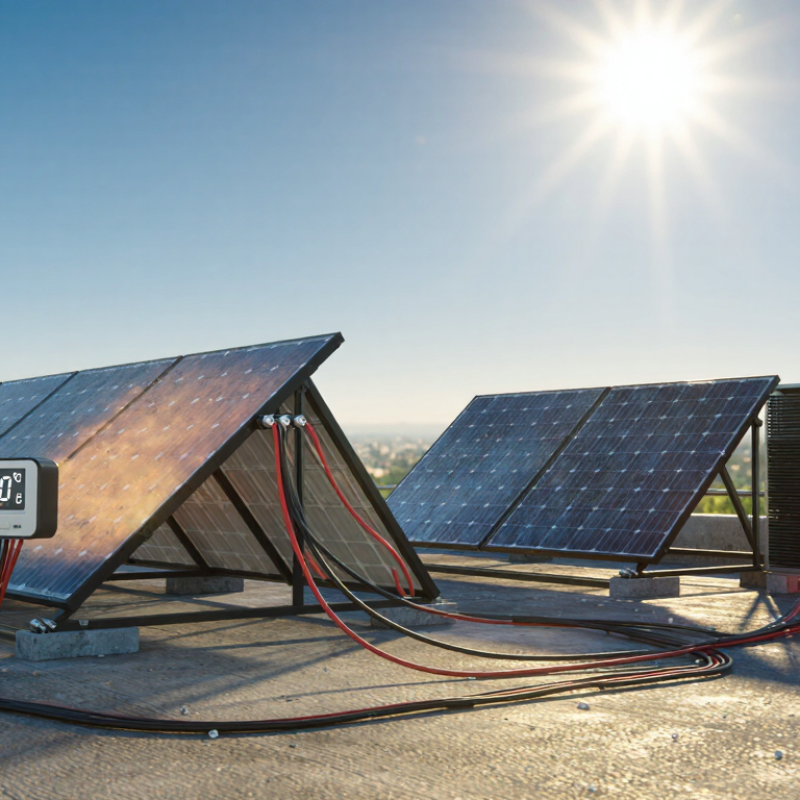
Top 10 Reasons Solar Panels Lose Efficiency in High Heat?

How High Heat Changes Solar Panel Performance

How High Heat Changes Solar Panel Performance

Solar panels do not convert sunlight efficiently when their cells become hot. NREL’s PVWatts documentation uses 25°C as the reference cell temperature, not the rooftop temperature. In direct sun, a panel’s cell temperature can exceed ambient air temperature by 20–30°C. Most crystalline silicon modules lose about 0.3–0.5% of power for every 1°C above that reference. A 40°C rise can therefore reduce output by roughly 12–20%. Voltage falls sharply, while current changes only slightly.

Heat also exposes installation weaknesses. Limited airflow beneath the panel traps warm air. Dust creates darker patches that absorb additional heat. Partial shading can produce hot spots, especially when cells operate unevenly. Loose connectors, aging cables, and inverter temperature limits may add further losses. The International Energy Agency Photovoltaic Power Systems Programme reports that temperature, soiling, shading, and system availability are major contributors to real-world performance gaps. Small issues become visible on a hot afternoon.

Fraunhofer ISE’s Photovoltaics Report identifies temperature coefficients as a core factor in module energy yield comparisons. Yet laboratory ratings can feel misleading on a metal roof. They describe controlled conditions, not every rooftop. Ventilated mounting usually helps, but cooling systems may consume energy and increase maintenance. A practical assessment should compare midday power, module temperature, wind, and inverter readings across several days. One overheated afternoon proves little. Repeated patterns matter.

Top 10 Reasons Solar Panels Lose Efficiency in High Heat

How high heat changes solar panel performance: crystalline-silicon photovoltaic modules typically lose about 0.35%–0.45% of maximum power for every 1°C increase in cell temperature above 25°C. The chart uses a representative temperature coefficient of −0.40%/°C.

Top 10 Heat-Related Causes of Efficiency Loss

  1. Negative temperature coefficient: Higher cell temperature reduces the voltage produced by crystalline-silicon cells.
  2. Lower operating voltage: Heat primarily reduces module voltage, decreasing maximum power output.
  3. Higher electrical resistance: Semiconductor and conductor resistance generally increase with temperature, causing additional resistive losses.
  4. Reduced inverter efficiency: Inverters may operate less efficiently or limit output when internal temperatures become excessive.
  5. Thermal derating: Inverters, optimizers, and other power electronics can automatically reduce their output to prevent overheating.
  6. Encapsulant and backsheet heating: Hot module materials can increase thermal resistance and slow heat dissipation.
  7. Roof heat transfer: Dark roofs and limited airflow can raise module temperature above the surrounding air temperature.
  8. Restricted rear ventilation: Small gaps or obstructed airflow behind a panel prevent effective natural cooling.
  9. Uneven heating and mismatch: Partial shade, dirt, or different airflow patterns can make some cells hotter than others and reduce array performance.
  10. Long-term thermal stress: Repeated heating and cooling cycles can accelerate material fatigue, connections degradation, and performance loss over time.

Reference basis: The chart is calculated using the commonly specified crystalline-silicon module power-temperature coefficient of −0.40% per °C. Actual results vary by module design, installation, ventilation, and inverter operating limits.

Temperature-Related Electrical Losses in Solar Cells

Top 10 Reasons Solar Panels Lose Efficiency in High Heat?

Temperature-Related Electrical Losses in Solar Cells

Solar cells lose electrical output as their temperature rises. The main change appears in voltage, not sunlight collection. A typical crystalline cell may lose about 0.3% to 0.5% of power per degree Celsius above its rated temperature. A panel rated at 25°C can operate near 65°C on a dark roof. That difference can reduce voltage noticeably.

The current usually changes only slightly. Voltage drops across the cell, module, and connected wiring. Since power equals voltage multiplied by current, the total output falls. In field checks, a panel may look bright and clean while producing less power at three o’clock. An infrared thermometer can show hot areas near junction boxes, bypass diodes, or shaded cell sections. Small faults become visible.

Heat also increases electrical resistance in conductors. Long cable runs can then waste more energy before electricity reaches the inverter. Inverters may reduce their output when internal temperatures rise, adding another loss outside the cell. Module temperature ratings and temperature coefficients deserve careful attention. They are not decorative figures.

My early assumption was simple: stronger sun should always create more electricity. It does not. Roof airflow, mounting distance, humidity, and surface color all affect operating temperature. Even a small gap beneath a panel can improve ventilation, though its benefit varies with local wind. Measurements should be compared at similar irradiance levels, not by appearance alone. Wh/m² is not always recorded correctly. That is where confident conclusions can become unreliable.

Heat-Driven Material, Wiring, and Connection Problems

High heat can reduce solar output through more than the panel’s temperature coefficient. As cell temperature rises, voltage usually falls, even when sunlight remains strong. Material stress adds another problem. Repeated heating and cooling can enlarge microcracks, loosen solder joints, and separate layers inside the module. Small cracks matter.

Wiring and connections also suffer under heat. Cables routed against a hot roof may soften, age faster, or develop higher electrical resistance. Poorly tightened terminals can create tiny contact points, producing localized heating and energy loss.

A discolored connector, brittle insulation, or melted plastic around a junction box deserves immediate attention. Thermal imaging can reveal hot spots that normal visual checks miss. Heat leaves clues.

During field inspections, I have found that airflow is often overlooked. Panels mounted too close to the roof can retain heat beneath their backsheets. Dust, shading, and damaged ventilation gaps may increase the stress further. Correct cable sizing, secure connections, and proper mounting clearance help limit these losses. Still, diagnosis is not always tidy; a warm connection may result from installation quality, aging materials, or several faults occurring together. Measuring operating voltage, current, and temperature at the same time gives a more dependable picture than relying on the display alone.

The Effects of Dust, Moisture, Shading, and Poor Ventilation

Solar panels can lose efficiency in heat for reasons beyond temperature itself. Dust forms an uneven film across the glass, blocking sunlight and creating hot spots. A global study in Joule estimated average soiling losses at 3–4%, while neglected sites can exceed 20%. IEA PVPS Task 13 also identifies moisture ingress as a major cause of corrosion, delamination, and insulation failure. Small cracks may remain invisible during routine inspections.

Shading is another quiet problem. A chimney, tree branch, or nearby panel can reduce output across connected cells, not just the shaded area. Field measurements often reveal losses that simple app estimates miss. Poor ventilation makes this worse. Modules installed too close to a roof can trap hot air behind their frames, raising operating temperatures. NREL reports that crystalline silicon modules typically lose about 0.3–0.5% of power for every degree Celsius above their rated 25°C condition. Heat itself is unavoidable. Trapped heat is partly preventable.

Regular checks should examine dust patterns, blocked drainage, sealant damage, and afternoon shadows. Cleaning too aggressively can scratch the glass; cleaning too rarely leaves uncertainty. That is the uncomfortable part. A panel may look clean from the ground while producing less power. Infrared inspection and inverter data can expose this gap, although neither method is perfect. Performance should be judged against local weather, season, and system design—not a single promising reading.

Top 10 Reasons Solar Panels Lose Efficiency in High Heat: The Effects of Dust, Moisture, Shading, and Poor Ventilation
Rank Efficiency Loss Factor How High Heat Makes It Worse Typical Effect on Output Risk Level Practical Prevention or Maintenance
1 High Cell Temperature Photovoltaic cells generally produce less voltage as their operating temperature rises. Dark roofs, direct sunlight, and hot ambient air can push cell temperatures well above the surrounding air temperature. Approximately 0.3%–0.5% power loss for each 1°C increase above the module’s rated test temperature, depending on the module design. Very High Allow adequate airflow beneath the modules, use suitable mounting clearances, and avoid covering ventilation gaps.
2 Poor Ventilation and Heat Buildup When panels are mounted too close to a roof or blocked by structural elements, hot air cannot escape efficiently. The resulting heat buildup raises cell temperature further. Can add several degrees Celsius to module temperature and create additional temperature-related output losses. Very High Keep the underside clear, maintain manufacturer-required mounting distances, and avoid obstructing the natural airflow path.
3 Dust and Dirt Accumulation Dust, soil, pollen, and airborne particles reduce the sunlight reaching the cells. Heat can also bake dirt onto the glass, making deposits harder to remove. Often around 2%–10% in moderately dusty conditions; heavier accumulation can cause greater losses. High Inspect panels regularly, especially during dry seasons, and clean them safely when deposits visibly reduce light transmission.
4 Partial Shading Shade from trees, buildings, poles, or rooftop equipment blocks sunlight on part of the array. In high heat, uneven operating conditions can increase mismatch between shaded and unshaded sections. The shaded area may lose most of its direct output, while overall array losses depend on system wiring and power electronics. High Trim vegetation where appropriate, remove unnecessary obstructions, and assess shade patterns during different times of day and seasons.
5 Moisture Ingress and Condensation Repeated heating and cooling cycles can stress seals and create condensation inside modules or junction boxes. Moisture may increase leakage current and accelerate corrosion. Variable; temporary moisture may cause intermittent losses, while long-term corrosion can lead to permanent electrical degradation. High Inspect for fogging, delamination, damaged seals, and corrosion. Electrical repairs should be performed by qualified personnel.
6 Inverter Overheating Inverters convert more heat in high-temperature conditions and may reduce their power output or temporarily shut down when internal temperatures exceed operating limits. May cause intermittent clipping, derating, or short shutdowns during the hottest periods of the day. High Install inverters in shaded, well-ventilated locations and keep cooling openings free of dust and obstructions.
7 Hot Spots from Cell or Connection Mismatch Cracked cells, damaged bypass diodes, loose connections, or uneven current flow can create localized hot areas. High ambient temperatures intensify thermal stress. Can reduce output locally and may cause permanent damage if the hot spot persists. High Use professional electrical inspections, thermal imaging, and performance monitoring to identify abnormal temperature patterns.
8 Module Aging and Material Degradation Ultraviolet radiation, heat, humidity, and repeated thermal expansion gradually degrade encapsulants, backsheets, solder joints, and other materials. A typical crystalline-silicon module may lose roughly 0.3%–0.8% of rated output per year, depending on construction and environmental conditions. Medium–High Choose durable installation materials, monitor long-term production, and replace modules showing severe delamination, cracking, or corrosion.
9 Loose or Corroded Electrical Connections Thermal expansion and contraction can loosen terminals and stress connectors. Heat and moisture together accelerate oxidation and corrosion, increasing electrical resistance. Can cause localized power loss, voltage drop, heating, nuisance trips, or a complete circuit interruption. Medium–High Schedule qualified inspections, verify connector compatibility, and address discoloration, burn marks, or repeated inverter faults promptly.
10 Surface Soiling, Bird Droppings, and Residue Localized deposits block sunlight and can create small shaded areas. In hot weather, residue may dry quickly and adhere strongly to the glass surface. Localized losses can be significant; overall array impact depends on the size and position of the affected area. Medium Use periodic visual inspections, remove persistent deposits with appropriate methods, and avoid abrasive tools that can scratch the glass.

Maintenance and Design Measures for Reducing Heat-Related Losses

High heat quietly reduces solar output. NREL’s PVWatts documentation uses a typical crystalline-silicon temperature coefficient of about -0.35% per °C above 25°C. A module reaching 65°C may therefore lose roughly 14% of its rated power. The loss is temporary, but repeated thermal stress can accelerate material ageing. Small design choices matter.

Leave a clear air gap beneath each panel. Natural airflow removes heat from the rear surface. Avoid placing modules directly against metal roofs or blocking the lower edge with cables. Light-coloured roof surfaces may also reduce heat absorption. Inverters need shade, ventilation, and sufficient clearance; an overheated inverter can reduce system availability even when the panels are producing power. Temperature sensors and performance monitoring can reveal abnormal midday drops.

Maintenance should include visual inspections, thermal imaging, and checks for loose connectors or damaged cables. Clean panels when dust, pollen, or bird deposits visibly reduce light transmission. IEA PVPS Task 13 reports typical annual soiling losses of approximately 2% to 7%, although local conditions vary widely. Cleaning too often wastes water and may scratch surfaces. That part deserves honest review. A site-specific schedule is better than a fixed monthly routine. IEC 61215 testing uses standard reference conditions, not every rooftop’s summer reality, so field performance should guide maintenance decisions.

FAQS

Why do solar panels produce less electricity in high heat?

Rising temperature mainly reduces voltage, while current changes only slightly. Power falls because power equals voltage multiplied by current.

How much power can a hot solar panel lose?

A crystalline cell may lose about 0.3% to 0.5% per degree Celsius above 25°C. At 65°C, a module may lose roughly 14% of rated power.

Does stronger sunlight always produce more electricity?

No. Hot panels can produce less power despite bright sunlight. My earlier assumption was too simple.

Which parts become especially hot?

Hot areas may appear near junction boxes, bypass diodes, shaded cells, or damaged connections. An infrared thermometer can reveal these patterns.

How does panel mounting affect heat losses?

A clear gap beneath the panel improves rear ventilation. The benefit depends on local wind, roof design, and mounting distance.

Can cables reduce solar output during hot weather?

Yes. Heat increases conductor resistance, especially across long cable runs. More energy is wasted before reaching the inverter.

Why might an inverter reduce system output?

High internal temperatures can make an inverter limit its output. Shade, airflow, and enough clearance can help prevent this.

How should heat-related performance problems be checked?

Compare output during similar sunlight levels, not by appearance alone. Check monitoring data, temperature readings, connectors, cables, and thermal images.

How often should solar panels be cleaned?

Clean them when dust, pollen, or bird deposits visibly block light. Fixed monthly cleaning may waste water and cause surface scratches.

Are standard temperature ratings enough for real rooftops?

Not always. Standard tests use reference conditions, while roofs experience heat, humidity, wind, and different surfaces. Field measurements deserve more trust.

Conclusion

Solar panels naturally lose efficiency as temperatures rise because the electrical properties of solar cells change under heat. Higher cell temperatures reduce voltage, which lowers overall power output even when sunlight remains strong. Heat can also accelerate material aging, weaken solder joints, stress wiring, and increase resistance at electrical connections. These effects may become more serious when panels operate continuously in hot conditions. Why do solar modules lose efficiency in high temperatures? The main reasons are temperature-related electrical losses combined with physical stress and reduced heat dissipation.

Dust buildup can block sunlight, while moisture may contribute to corrosion or insulation problems. Nearby shading, crowded installation layouts, and poor ventilation can trap heat beneath the panels and further reduce performance. Regular cleaning, timely inspection of cables and connections, adequate spacing, and installation designs that allow air circulation can help control heat-related losses. Monitoring system output and addressing unusual power drops early can also extend service life and maintain more stable energy production.

Isabella

Isabella

Isabella is a dedicated marketing professional with a sharp focus on driving brand growth and engagement through strategic content creation. With an extensive background in digital marketing, she combines her passion for storytelling with her keen understanding of industry trends to deliver......