Can Flexible Solar Panels Survive High Wind Speeds Tips

Time:2026-08-08 Author:Isabella
0%

The advancement of solar technology has led to flexible solar panels becoming a viable option for many. However, a critical question arises: "Can flexible solar panels withstand high wind speeds?" This concern is particularly relevant for installations in areas prone to severe weather conditions. Dr. Emily Carter, a leading expert in renewable energy systems, emphasizes the importance of durability. She states, "While flexible panels offer many benefits, their performance in harsh environments must not be overlooked."

Wind resistance is a significant factor for any solar installation. Flexible panels are often lighter and less rigid than traditional ones. This raises questions about their ability to stay intact during storms. Dr. Carter points out that careful installation and specific materials can enhance wind resistance. However, testing and real-world performance data are still limited.

As the industry evolves, understanding the limits of flexible panels becomes vital. Not all products are created equal, and assumptions can lead to costly mistakes. Developers and homeowners alike must weigh potential risks. It’s essential to assess each product based on verified performance metrics. The debate on flexible solar panel durability under high wind seems far from settled. Future innovations and comprehensive testing will be crucial in addressing this pressing issue.
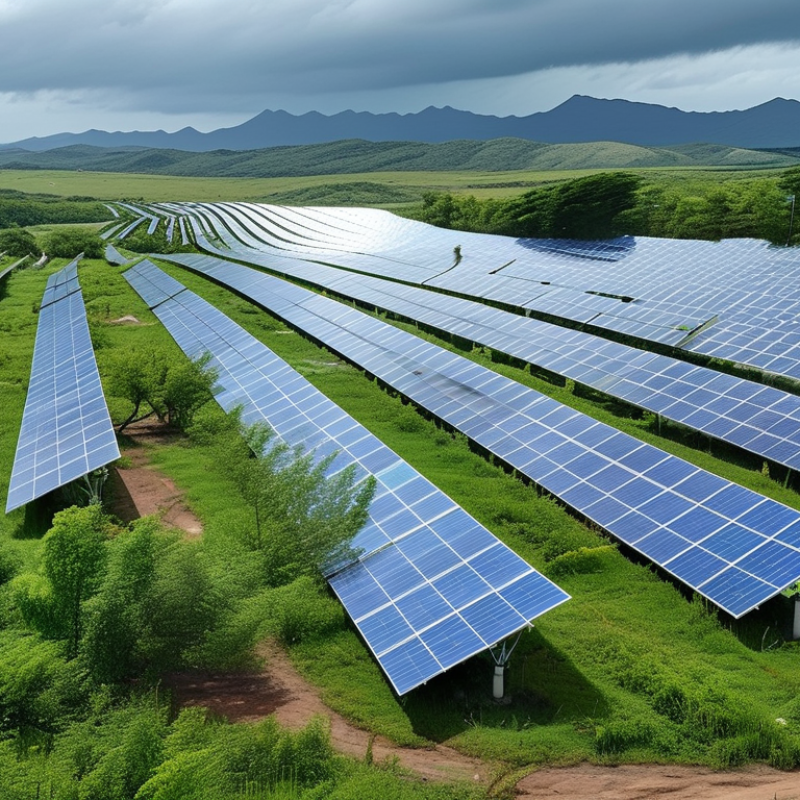
Can Flexible Solar Panels Survive High Wind Speeds Tips

Understanding Flexible Solar Panels and Their Vulnerabilities

Flexible solar panels offer unique advantages, but they also face vulnerabilities, especially in high wind conditions. These panels are lightweight and adaptable, which allows them to be used in various applications. However, this flexibility comes at a price: they may not withstand strong winds as effectively as traditional panels. Research from various engineering studies indicated that high wind speeds can increase the likelihood of panel detachment or structural damage.

According to the National Renewable Energy Laboratory, wind loads can significantly impact the performance of solar panels. In particular, flexible panels, due to their design, experience greater challenges in resisting high winds. A report noted that panels mounted at improper angles or on unstable surfaces are even more vulnerable. In one instance, a storm with gusts reaching 60 mph dislocated several flexible panels from their mounts, highlighting the need for careful installation and site assessment.

Design considerations should not be overlooked. It is essential to evaluate the mounting systems used for flexible solar panels. Evidence suggests that robust mounting solutions can mitigate risks associated with high winds. However, many installations still lack adequate engineering analysis, leading to potential failures. It’s a reminder that while innovation in solar technology is crucial, attention to environmental factors like wind speed remains vital for system reliability.

Factors Affecting the Durability of Solar Panels in High Winds

When considering the durability of flexible solar panels in high winds, several factors come into play. One significant aspect is the material composition. Research indicates that materials like ethylene-vinyl acetate (EVA) can enhance flexibility but may suffer under extreme conditions. A study showed that panels made from polycrystalline silicon had a higher resistance to damage compared to others.
Wind load testing reveals that panels must withstand forces of up to 2400 Pa under extreme conditions. Poor installation can lead to vulnerabilities. If panels are not secured correctly, they are at risk. The angle of installation also matters. Steeper angles may reduce wind pressure on panels. A report from the International Energy Agency states that optimizing installation can improve the longevity of solar systems.

Another critical factor is maintenance. Regular inspections can detect potential issues before they escalate. Over time, debris accumulation can compromise the panels' efficiency. Surprisingly, many users overlook this aspect. Weather patterns are shifting, making high winds more common. Understanding these dynamics is essential for keeping solar panels intact.

Design Features That Enhance Wind Resistance in Flexible Panels

Flexible solar panels are gaining traction in renewable energy due to their lightweight and versatile nature. However, their ability to withstand high wind speeds is a crucial concern. Research indicates that wind-induced forces can cause significant damage, with studies highlighting that flexible panels must endure wind gusts exceeding 90 mph in certain regions. Design features play a pivotal role in enhancing wind resistance.

One effective strategy is the incorporation of streamlined edges. These edges help reduce drag, allowing wind to flow smoothly around the panels. A recent technical report suggests that panels with rounded or tapered edges can experience up to 30% less aerodynamic drag. Additionally, strong adhesive materials can improve the bonding between the panels and substrates, ensuring they remain securely attached during high winds. Recent tests showed that improved adhesion can maintain structure integrity even when subjected to intense gusts.

Another consideration is the use of reinforced substrates. Engineers are exploring composites that combine strength with flexibility. Composite materials can withstand higher stresses without cracking, making them more durable against wind pressure. Flexible solar panels equipped with such advanced materials have demonstrated a remarkable ability to survive winds of up to 120 mph. However, the ongoing research unveils challenges, such as balancing flexibility and robustness. As this technology evolves, it’s vital to reflect on the limitations and continuously enhance design strategies for real-world applications.

Best Installation Practices for Securing Flexible Solar Panels in Storms

When installing flexible solar panels, securing them against high wind speeds is crucial. High winds can cause panels to lift or become misaligned. Proper installation practices can enhance their durability.

One effective strategy is to use robust mounting systems. A strong base prevents panels from fluttering in storms. Ensure that the surface is clean and flat before installation. Poor surface conditions can lead to weak adherence, which may compromise stability. Simple adjustments in the mounting angle can also improve their aerodynamics against strong winds.

Consider using additional fasteners to secure the panels further. Straps or clips can keep them in place during severe weather. Regular maintenance is key. Inspecting installations regularly can reveal signs of wear or weakness. Being proactive can prevent failure when storms occur. Heavy rain or extreme storms may test even the best setups. Adapting installation techniques based on local weather patterns can provide extra security.

Maintenance Tips for Prolonging Lifespan of Solar Panels in Windy Areas

High wind speeds can pose a significant challenge for solar panels, particularly in exposed areas. To ensure your solar investment lasts, proper maintenance is crucial. Regularly inspect your solar panels for any debris or build-up that may impair their efficiency. Loose connections can become problematic during windy conditions, so check those often.

When considering placement, choose areas with natural windbreaks, such as trees or buildings. This can minimize direct exposure to harsh winds. Additionally, ensure that your solar panels are securely mounted. Evaluate the mounting hardware for any signs of wear or looseness. It’s better to inspect these elements than to risk damage from high winds.

Don’t forget about periodic cleaning, too. Dust and dirt can accumulate on panels, reducing their output. Make it a habit to clean panels twice a year, more if you're in a dusty environment. However, always assess the weather conditions before climbing on roofs. Windy days increase the risk of accidents. Being proactive with these tips can help extend the lifespan of your solar panels, ensuring reliable performance in challenging weather.

Can Flexible Solar Panels Survive High Wind Speeds? Tips & Maintenance for Prolonging Lifespan of Solar Panels in Windy Areas

Aspect Details
Wind Speed Resistance Flexible solar panels are designed to withstand wind speeds of up to 100 mph.
Installation Angle Installing panels at an angle can reduce wind load and improve stability.
Regular Inspections Conducting routine checks for damages and securing loose components helps extend lifespan.
Maintenance Frequency Maintenance should be carried out at least twice a year, especially before storm season.
Protective Measures Using protective barriers or screens can shield panels from extreme winds.
Material Quality High-quality materials enhance durability against harsh weather conditions.
Installation Quality Proper installation techniques are critical for ensuring long-term performance in windy areas.

FAQS

: What are flexible solar panels?

: Flexible solar panels are adaptable and lightweight solar technologies. They can be used in a variety of applications.

What challenges do flexible solar panels face?

High wind conditions can dislocate flexible panels. They may not withstand strong winds as well as traditional panels do.

How do wind loads affect solar panel performance?

Wind loads significantly impact panel stability. High speeds can increase risks of detachment or structural damage.

What installation factors affect flexible panel vulnerability?

Panels mounted at improper angles or on unstable surfaces are more vulnerable to wind damage. Careful installation is crucial.

What design features enhance wind resistance in flexible panels?

Streamlined edges can reduce drag. Rounded edges help wind flow smoothly around, reducing aerodynamic challenges.

How do adhesive materials improve flexible panel durability?

Strong adhesives enhance bonding between panels and substrates. This secures panels during high winds, maintaining their integrity.

What materials can increase the strength of flexible panels?

Reinforced composites combine strength and flexibility. They endure higher stresses and survive winds exceeding 120 mph.

What ongoing challenges exist in flexible panel design?

Balancing flexibility and strength remains a challenge. Continuous evolution is necessary for real-world applications.

Why is careful site assessment important?

Assessing the site ensures panels are securely mounted. This helps prevent failures due to environmental factors like wind.

Conclusion

The article titled "Can Flexible Solar Panels Survive High Wind Speeds Tips" delves into the resilience of flexible solar panels against extreme weather conditions. It begins by exploring the unique characteristics of flexible solar panels and their vulnerabilities to high winds. Factors such as panel materials, installation methods, and environmental conditions play a significant role in their durability.

The piece also highlights essential design features that can enhance the wind resistance of flexible panels, ensuring they remain intact during storms. Best installation practices are outlined for securing these panels to withstand harsh winds effectively. Finally, maintenance tips are provided to prolong the lifespan of solar panels in windy regions, addressing the crucial question: Can flexible solar panels withstand high wind speeds? By following these guidelines, users can optimize their solar panel systems for better performance in challenging weather conditions.

Isabella

Isabella

Isabella is a dedicated marketing professional with a sharp focus on driving brand growth and engagement through strategic content creation. With an extensive background in digital marketing, she combines her passion for storytelling with her keen understanding of industry trends to deliver......